HIGHLIGHTS
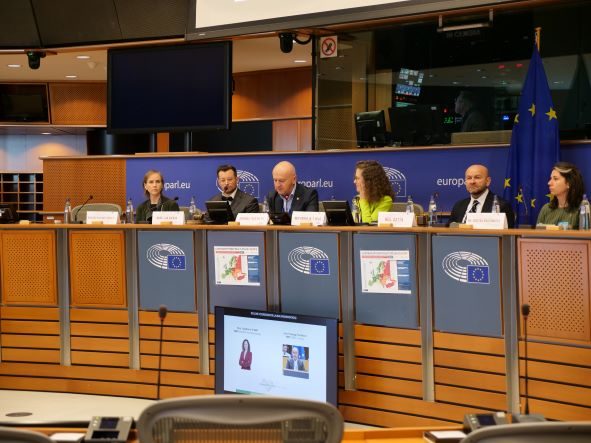
- The 6th edition of the EPF European Contraception Policy Atlas was launched at the European Parliament on the 8th of February 2023.
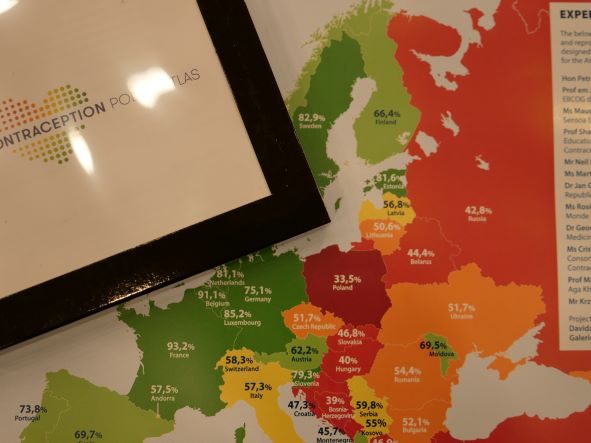
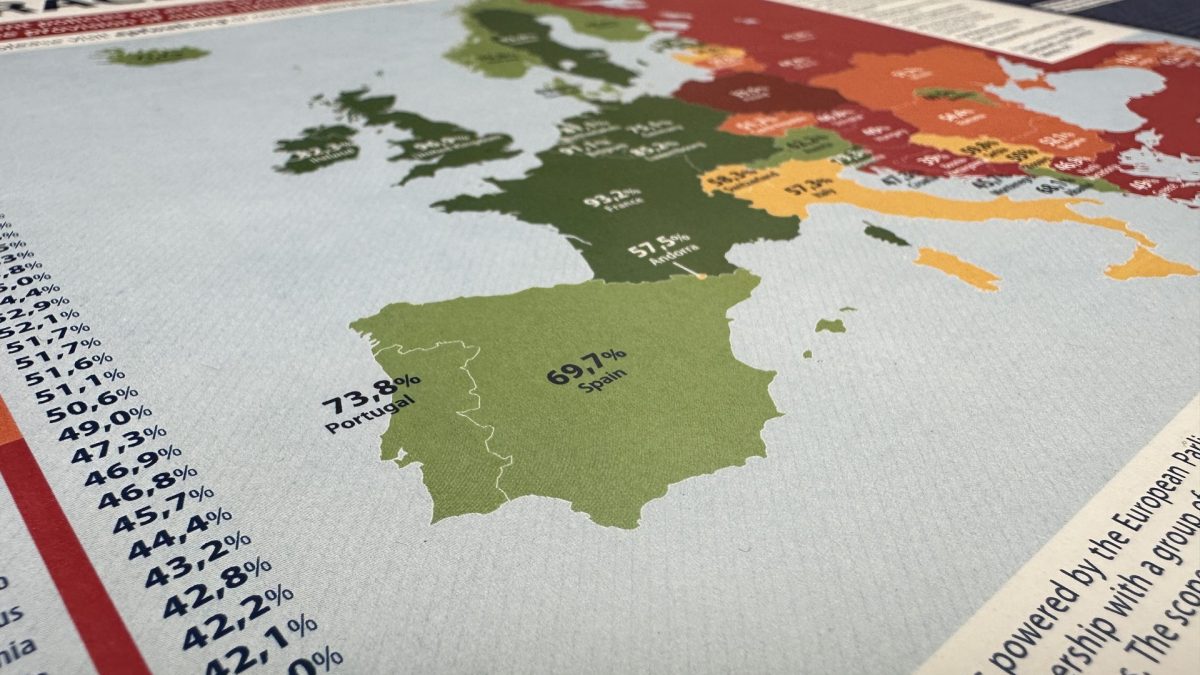
- The Atlas reveals a very uneven picture of Europe. Best-performing countries include the United Kingdom, France, and Belgium; Countries at the bottom of the ranking are Poland, Bosnia-Herzegovina, and Hungary.
- The Contraception Policy Atlas Europe is a research project led by the European Parliamentary Forum for Sexual and Reproductive Rights, which investigates how European public authorities perform across: access to contraception, counselling, and online information.
BRUSSELS, 8th February - The European Parliamentary Forum for Sexual and Reproductive Rights (EPF) has released a new publication that scores European governmental policies on access to contraception in 2023 today at the European Parliament.
Since 2017, has periodically scored 46 countries throughout geographical Europe on access to modern contraception. In the 6th edition of the Contraception Policy Atlas Europe, geographical disparities across Europe remain and a more visible East-West divide affects the region. The report ‘Contraceptive use and awareness among young people in the European region’ launched in September 2022 by EPF confirms a similar narrative from the perspective of 18 to 30-year-old users.
In 2023, the best-performing countries are once again the United Kingdom, France, and Belgium, followed by Luxembourg, Sweden, and Ireland. In these countries, there has been major progress in terms of policies. European countries that are at the bottom of the list include Poland, Bosnia-Herzegovina, and Hungary.
As EPF Executive Director Neil Datta stated, ‘57% of women in Europe use modern contraception which shows an increase compared to last year’s edition. 35% of pregnancies in Europe are unintended and this represents the lowest rate in the world’.
During the event, MEP Predrag Fred Matić said: ‘Access to contraception is a basic human right for all and as we see in this new Contraception Atlas - not everyone has that right guaranteed. (...) We need to ensure that all citizens can access contraceptives and that they are well informed when choosing their method of contraception, this should be the established standard across Europe and the world’.
Dutch MEP Sophie in 't Veld argued that ‘the Contraception Policy Atlas reveals who is improving and who is backsliding in providing women the means to make decisions over their own bodies. (...) The EU must finally take on sexual and reproductive health and rights as a European issue. All EU citizens deserve the same level of bodily autonomy. With this Atlas, we can see that we are far from that goal’.
According to the results of the Contraception Policy Atlas Europe 2023, 20 countries, which represent 43% of the countries analysed, cover contraceptives in their national health system and include long-acting reversible contraception (LARCs). According to the United Nations Population Fund (UNFPA) and WHO, LARCs are highly effective in preventing pregnancies and are reversible contraceptive methods. LARCs comprise intrauterine devices (IUDs), implantable and injectable contraceptives.
Other findings include: 41 countries (89%) covering counselling within the national health system. Only 14 countries in Europe (30%) cover contraceptives in the national health systems for young people above the age of 25 and 19 countries (41%) provide good or exceptional governmental websites.
----------
You can watch the recording from the event here.